
Shippers ask this constantly, and the answer usually comes down to one thing: how much space your freight actually takes up.
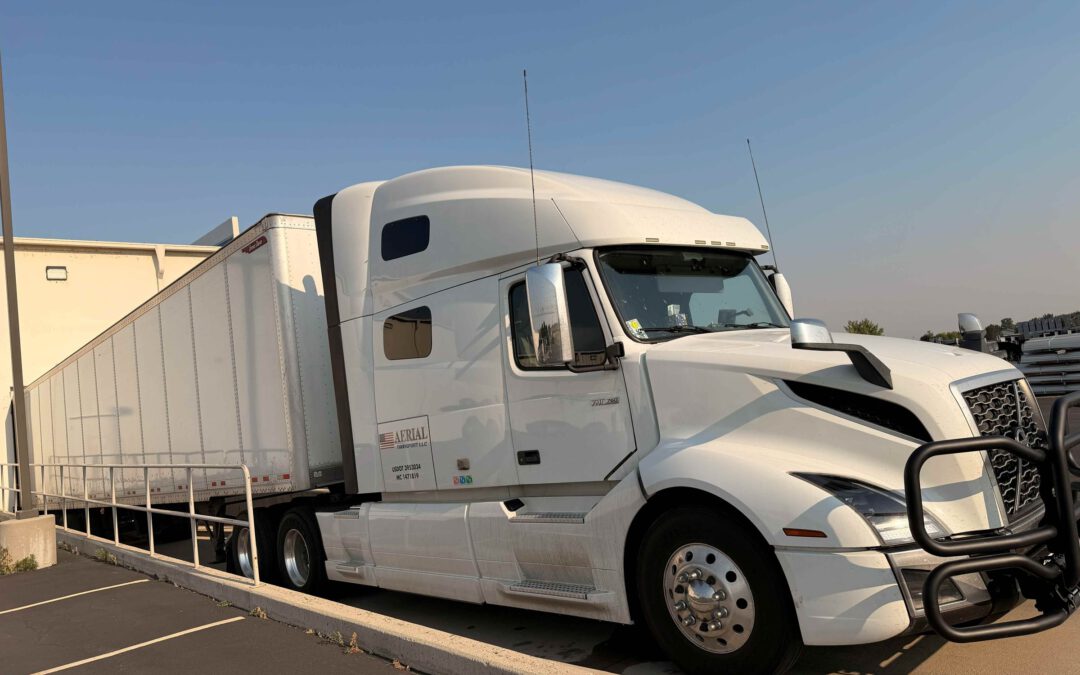
Full Truckload (FTL) means your shipment gets its own trailer, start to finish. Nobody else’s freight is on that truck. It goes straight from pickup to delivery with no intermediate stops to load or unload other shipments. If you’re moving a full pallet load, an oversized shipment, or anything time-sensitive or fragile, FTL is usually the better call — fewer touches means fewer chances for damage or delay.
LTL (Less-Than-Truckload) means your shipment shares trailer space with other companies’ freight. It’s typically cheaper per shipment because you’re only paying for the space you use, not the whole trailer. The tradeoff is more handling — your freight gets loaded, unloaded, and reloaded at terminals along the way, and delivery windows are less precise since the truck is making multiple stops.
A rough way to think about it:
- Shipment fills more than about half a standard trailer → FTL is usually more cost-effective and safer for the freight.
- Smaller shipment, flexible timeline, budget-conscious → LTL likely makes sense, assuming you’re using a broker or carrier network that handles LTL well.
- Time-sensitive, fragile, high-value, or an odd size that doesn’t palletize cleanly → FTL, even if it costs more per shipment.
One thing that gets overlooked: if you regularly ship 3-4 smaller loads a month that keep landing in that “not quite full truckload” gray zone, it’s worth asking a carrier about dedicated or recurring lane pricing instead of quoting each one separately. Consistent volume on a known lane is often priced better than one-off LTL every time.
Have a shipment you’re not sure how to classify? Request a quote and describe what you’re moving — happy to tell you straight whether FTL or LTL makes more sense for it.